
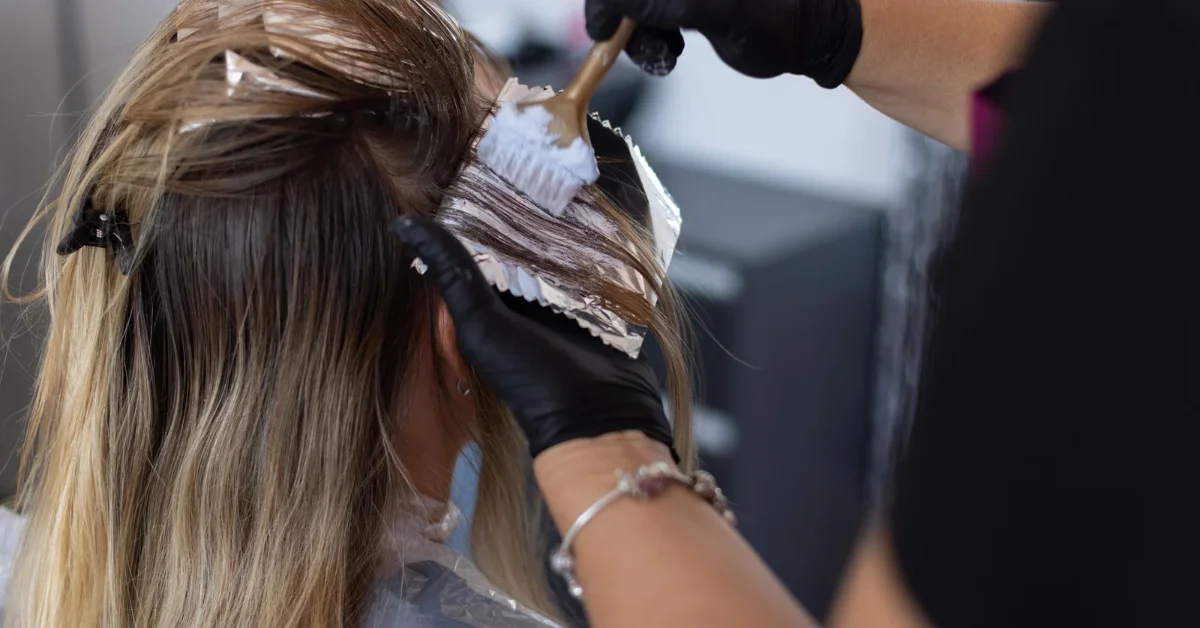
Maybe you’ve been coloring your hair at home for years and you’re finally ready for a change. Maybe your blonde has become too dark, too warm or uneven. Or maybe you have an inspiration photo saved on your phone and you’re wondering:
“Can my hair actually look like this?”
The answer may be yes—but getting there isn’t always as simple as applying another color.
That’s where color correction comes in.
At Salon Metta, color correction is about much more than simply changing a shade. It’s about understanding what has previously happened to the hair, determining what is realistically possible and creating a plan that moves you toward your goal while keeping the health and integrity of your hair at the center of the process.
What Is a Hair Color Correction?
A color correction is a customized color service designed to address an existing hair color and move it toward a different desired result.
And despite the name, you don’t necessarily need to have had a color “disaster” to need one.
Color correction can include situations such as:
- Removing or changing unwanted tones
- Correcting uneven or banded color
- Transitioning from dark hair to significantly lighter hair
- Correcting an at-home color result
- Changing previously colored hair to a dramatically different shade
- Correcting overly warm, cool or muddy tones
- Blending areas that have processed differently
- Working through years of accumulated artificial color
- Correcting previous highlights or lightening
- Creating a major color transformation
Sometimes the starting point is an unwanted result.
Other times, the desired result is simply too complex to accomplish during a traditional color appointment. That’s why we look at color correction as a process, not just a service.
How Do I Know If I Need a Color Correction?
If you’re looking for a significant change from your current color, there’s a good chance you’ll benefit from a consultation first.
One of the biggest indicators is a large difference between where your hair is now and where you want it to be. For example, going from years of dark artificial color to a dimensional blonde is very different from refreshing existing blonde highlights.
The same is true if different sections of your hair have different color histories. Your ends may have years of artificial pigment. Your mid-lengths may have been lightened previously. Your roots may be completely natural. To you, it’s one head of hair. To a colorist, there can be several different starting points that need to be considered individually.
Why Is My Hair History So Important?
One of the most important questions we ask during a color consultation is:
“What has been done to your hair?”
And we want the whole story.
Professional color, box color, highlights, lightener, glosses, vivid colors, keratin treatments and previous corrective work can all be relevant when we’re determining the next step. Even color from months—or sometimes years—ago can still be present in the lengths of your hair. We are curious about the information because your hair history helps us understand how your hair may respond and what may be realistically achievable.
So when your stylist starts asking questions, please tell us everything.
Why Can’t My Stylist Just Put the New Color Over It?
Hair color doesn’t work quite like painting a wall. Existing artificial pigment, natural pigment, porosity, previous lightening, condition and underlying tones can all affect the finished result. Putting another color over an unwanted result doesn’t necessarily remove the problem underneath it.
Sometimes we need to remove unwanted pigment. Sometimes we need to add pigment back into the hair. Sometimes different sections need completely different formulas or techniques. And sometimes the smartest thing we can do is not push the hair any further that day. Corrective color requires understanding both the color you can see and what’s happening underneath it.
Bring the Inspiration Photo
We LOVE inspiration photos!
They give us a visual starting point for the conversation—but we don’t use them as a promise that your hair will look exactly like someone else’s.
Two people can show us the exact same photo and require completely different services to get there.
During your consultation, we’ll look at:
- Your current color
- Your natural starting level
- Previous color history
- Hair condition
- Density and texture
- Desired result
- Maintenance expectations
- Lifestyle
- Budget
- How quickly you’re hoping to achieve the change
Then we can discuss how your inspiration translates to your hair.
Sometimes the answer is
“Yes, we can work toward this.”
Sometimes it’s
“We can create a version of this that works better with your hair.”
And sometimes it’s
“We can get there, but we’re going to need more than one appointment.”
Those conversations are an important part of a successful color correction.
Can a Color Correction Be Done in One Appointment?
Sometimes. But not always.
One of the biggest misconceptions surrounding corrective color is that every transformation can—or should—happen in a single salon visit. But everyone’s hair has limits.
If achieving your dream color in one appointment means compromising the integrity of your hair, your stylist will recommend breaking the transformation into stages. That could mean reaching an intermediate color first, allowing time between lightening services or creating a maintenance and treatment plan as we work toward the final result.
We know patience isn’t always the fun answer. But beautiful color isn’t possible if the hair can’t support it.
Our goal isn’t simply to get you lighter, darker or different. Our goal is to create beautiful hair you can actually enjoy.
Why Does Color Correction Take So Long?
Corrective color is one of the most customized services we perform. Unlike a routine maintenance appointment, a stylist may need to work through different areas of the hair individually. That can involve multiple processes during the same visit, careful formulation, lightening, adding depth, balancing tone, treatments, toning or glazing, cutting and finishing.
Your colorist is continuously evaluating how the hair is responding and deciding what the next appropriate step should be. That’s one reason Salon Metta determines corrective color pricing based on an hourly rate when identified during consultation.
The amount of time and work required can vary dramatically from one guest to another.
Why Hair Health Comes Before the Inspiration Photo
We want you to love your hair. But we’re also responsible for telling you when your desired result and your current hair condition aren’t compatible—yet.
Sometimes the best color plan starts with improving the condition of the hair. Sometimes we need to modify the goal. Sometimes we need multiple appointments. And sometimes we need to say, “We’re not going to do that today.”
That isn’t your stylist giving up on your vision. It’s your stylist protecting the hair that needs to get you there. A successful correction isn’t only about what your hair looks like when you leave the salon. It’s about what your hair feels like weeks later, too.
Ready for a change?
Every color correction starts with a consultation.
Bring your hair history and your inspiration photo, and we’ll build a plan together.
Book a Consultation